Best Uk Iptv
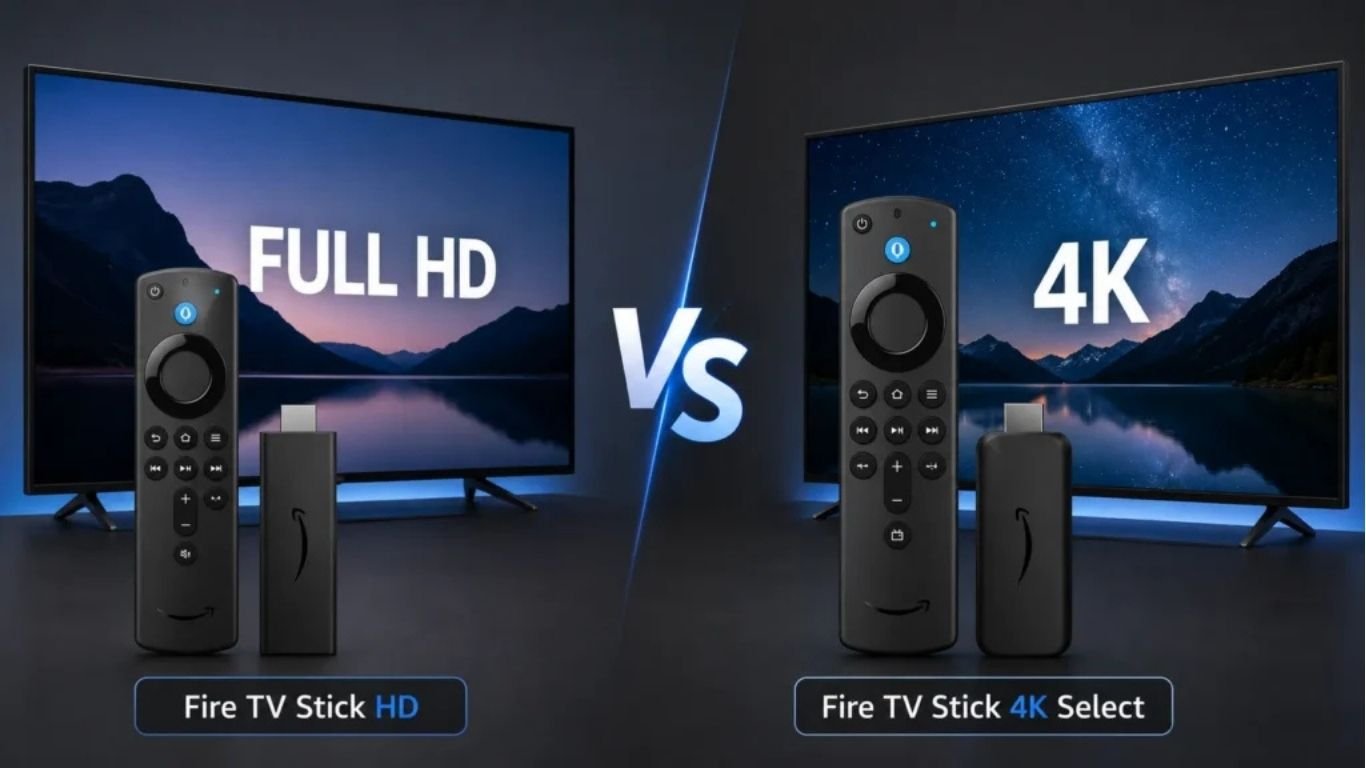
If you want a more flexible way to watch television, IPTV has become an increasingly popular option in the UK. Instead of receiving channels through traditional terrestrial, satellite, or cable broadcasting, IPTV delivers TV and video content over the internet.
One of the biggest developments in modern streaming is the availability of 4K resolution. With a compatible television, suitable internet connection, and properly optimized streaming service, 4K can provide a noticeably sharper and more detailed viewing experience than standard HD.
For viewers searching for
4K IPTV UK, understanding how the technology works is important before choosing a service. Factors such as internet speed, device compatibility, video quality, stability, supported applications, and the legality of the content all matter.
This guide explains what IPTV is, how 4K streaming works, what equipment you may need, and what to consider when selecting an IPTV service in the UK.
What Is IPTV?
IPTV stands for Internet Protocol Television. It describes the delivery of television and video programming over an internet protocol network rather than through conventional broadcast methods.
With traditional television, content can arrive through an aerial, satellite dish, or cable connection. With IPTV, video content is transmitted using an internet connection and can be accessed through compatible applications, smart televisions, streaming devices, computers, smartphones, and other supported hardware.
The technology can support different types of viewing, including live television, on-demand video, and other interactive content.
The exact features available depend on the provider and the service being used.
What Does 4K IPTV Mean?
4K refers to a high-resolution video format commonly associated with a resolution of approximately 3840 × 2160 pixels for consumer televisions.
That means a 4K image contains substantially more pixels than Full HD. When the source is genuinely produced and delivered in 4K, viewers with compatible equipment can benefit from greater detail, sharper edges, and improved image clarity.
However, simply seeing the term “4K” in a service description does not automatically mean every channel or programme is delivered in native 4K.
A good IPTV setup should therefore be evaluated according to the actual content quality, available resolution, bitrate, device compatibility, and network performance.
Why Choose 4K IPTV in the UK?
There are several reasons viewers may be interested in 4K IPTV.
Higher Image Quality
The most obvious benefit is resolution. 4K can provide a significantly more detailed picture than lower-resolution formats, particularly on larger screens.
Fine details can appear clearer, which can be especially noticeable during sports, documentaries, films, and other visually detailed programming.
Flexible Viewing
Because IPTV uses an internet connection, compatible services can be accessed across a range of devices.
Depending on the provider, viewers may be able to watch through:
- Smart TVs
- Android TV devices
- Amazon Fire TV-compatible devices
- Streaming boxes
- Smartphones
- Tablets
- Computers
- Selected media players
Device support varies, so it is worth checking compatibility before subscribing.
Convenient Access
Internet-based television can provide a convenient alternative for people who prefer accessing their entertainment through a single connected device.
Rather than relying exclusively on a traditional television setup, users can potentially manage streaming through applications and compatible platforms.
Modern Streaming Experience
Many current television sets are designed around connected entertainment. A combination of a modern smart TV, fast internet connection, and compatible IPTV application can create a streamlined viewing environment.
What Internet Speed Do You Need for 4K IPTV?
Internet performance is one of the most important factors when watching
4K IPTV UK content.
4K video generally requires considerably more bandwidth than standard-definition or HD streaming. The exact requirement varies according to compression, bitrate, codec, provider infrastructure, and the content being watched.
As a practical guideline, having a stable broadband connection capable of comfortably handling high-bandwidth streaming is important.
A connection advertised at a particular speed may not always deliver that speed consistently to your streaming device. Wi-Fi congestion, other household users, router performance, network distance, and background downloads can all affect streaming quality.
For the best experience, consider:
- A reliable broadband connection
- A modern router
- Strong Wi-Fi coverage
- Ethernet where practical
- Minimal network congestion
- A streaming device capable of decoding 4K video
Ethernet vs Wi-Fi for 4K IPTV
Both Wi-Fi and Ethernet can support streaming, but a wired Ethernet connection can provide greater consistency in many home environments.
Wi-Fi performance can be affected by walls, distance from the router, interference, connected devices, and wireless congestion.
If your television or streaming box is close enough to the router, Ethernet may be worth considering when maximum stability is important.
If you prefer Wi-Fi, using a modern wireless standard and placing the router in a suitable location can help improve reliability.
Can You Watch 4K IPTV on a Smart TV?
Yes, compatible Smart TVs can be used for IPTV, although the exact setup depends on the television operating system and the application supported by your chosen provider.
Common Smart TV platforms may support dedicated streaming applications or compatible media players.
Before purchasing a service, check:
- Whether your TV is supported.
- Which application the provider recommends.
- Whether the application supports your required resolution.
- Whether your TV supports the relevant video codecs.
- Whether the provider offers setup instructions.
Compatibility is particularly important because an IPTV service that works well on one device may not offer the same experience on another.
4K IPTV on Android TV
Android TV and Google TV devices are popular options for internet-based streaming.
These platforms can offer access to a broad range of applications, depending on the device, region, and software version.
A compatible Android TV device can be useful for viewers who want to combine different streaming services in one interface.
When selecting hardware, look for a device with sufficient processing performance, appropriate 4K support, and reliable network connectivity.
4K IPTV on Streaming Devices
Dedicated streaming devices can be another convenient way to access internet television.
Depending on the platform, these devices may support applications designed for live television and on-demand streaming.
When choosing a device for 4K IPTV, consider:
- 4K output support
- HDR support where applicable
- Network connectivity
- Available applications
- Processor performance
- Storage
- Operating system updates
- Remote-control usability
A more powerful device can also provide a smoother overall interface.
What Is Required for a Good 4K IPTV Experience?
A successful streaming setup is not based on one factor alone.
You generally need three important components:
1. A Reliable IPTV Service
The provider should offer stable infrastructure, appropriate video quality, clear subscription information, and support for your preferred device.
2. A Suitable Internet Connection
Your broadband connection needs enough capacity to handle high-quality video consistently.
3. Compatible Hardware
Your television, streaming box, or other device needs to support the desired resolution and streaming technology.
If any one of these components performs poorly, the overall experience can suffer.
Why Does IPTV Buffer?
Buffering is one of the most common complaints associated with internet streaming.
Buffering can have several causes.
Internet Congestion
If several people are using the same connection for gaming, downloading, video calls, or streaming, available bandwidth can become limited.
Weak Wi-Fi
A weak wireless signal may result in inconsistent performance.
Provider-Side Problems
Sometimes the problem is not inside your home. Server capacity, network routing, or provider infrastructure can affect streaming performance.
Device Limitations
Older televisions and streaming devices may struggle with high-resolution video.
Temporary Network Problems
Even a fast broadband connection can experience occasional interruptions.
Troubleshooting should therefore begin by identifying where the problem originates rather than automatically assuming that the internet connection is responsible.
How to Improve IPTV Streaming Quality
There are several practical steps that can help improve your streaming experience.
Use a Wired Connection
Where possible, connect the streaming device directly to the router using Ethernet.
Restart Your Router
A router restart can sometimes resolve temporary connectivity problems.
Reduce Network Traffic
Pause large downloads or bandwidth-intensive activities while watching high-resolution video.
Update Your Device
Keep the television, streaming box, application, and operating system updated where appropriate.
Check Your Broadband Performance
Run a speed test close to the time when buffering occurs. Testing at different times can help identify whether congestion is affecting your connection.
Choose Appropriate Video Quality
If your connection cannot reliably support 4K, switching temporarily to HD may provide a smoother experience.
Is 4K Always Better?
Not necessarily.
4K can provide a better picture when the source, streaming bitrate, display, and viewing conditions support it.
However, resolution is only one part of image quality.
Bitrate, compression, colour reproduction, frame rate, source quality, HDR support, and display technology can all influence what you actually see.
A well-encoded HD stream can sometimes look better than a poorly compressed stream labelled as 4K.
For this reason, consumers should consider overall streaming quality rather than focusing only on the resolution number.
IPTV and Legal Considerations in the UK
When choosing an IPTV service, legality is an important consideration.
IPTV itself is a technology for delivering television and video over internet networks. The legality of a particular service depends on what content it provides and whether the provider has the appropriate rights or licences.
Consumers should use legitimate services that have permission to distribute the content they offer.
Be cautious about services advertising extremely large channel selections, premium content, or unusually low prices without clearly explaining their licensing arrangements.
A responsible approach is to research the provider, read its terms, verify what content is being offered legally, and avoid services that appear to distribute copyrighted programming without authorization.
How to Choose the Right IPTV Service
Content Availability
Check whether the provider offers the types of programming you actually want to watch.
Device Compatibility
Make sure the service supports your television, streaming box, phone, tablet, or computer.
Video Quality
If 4K is important to you, check whether the service genuinely supports 4K content rather than simply using 4K as a marketing term.
Reliability
A large content list is not particularly useful if streams frequently disconnect or buffer.
Customer Support
Clear setup documentation and responsive support can make a significant difference, especially for first-time users.
Pricing
Compare subscription costs with the features and content included.
Avoid choosing a provider purely because it is the cheapest option.
Transparency
A reputable service should provide clear information about its offering, supported devices, terms, and content rights.
IPTV Apps and Players
An IPTV application or media player provides the interface through which compatible content can be accessed.
Different services may recommend different applications.
The application itself does not necessarily provide the television content. In many setups, the player is simply the software used to access a provider’s legitimate content.
When selecting an application, consider:
- Ease of navigation
- Electronic programme guide support
- Playback controls
- Subtitle support
- Multiple profiles where available
- Device compatibility
- Update frequency
- Privacy and security
Always download applications from legitimate and trusted sources.
What Is an IPTV Playlist?
Some internet television systems use playlists to organize channels or other media.
A playlist can contain information used by compatible software to identify available streams and display them in an organized interface.
The format and functionality depend on the provider and application.
Users should only access streams they are legally entitled to view.
What Is an Electronic Programme Guide?
An Electronic Programme Guide, often called an EPG, displays programme information in a television-style schedule.
A well-designed EPG can make a large IPTV library easier to navigate.
Instead of searching through individual channels manually, viewers can browse programmes according to time and channel.
EPG functionality varies between providers and applications.
4K IPTV for Sports
Sports are one area where higher-quality streaming can be particularly noticeable.
Fast movement, detailed stadium scenes, crowds, and scoreboard graphics can benefit from a combination of high resolution, suitable bitrate, and stable frame delivery.
However, sports streaming can also place significant demands on an internet connection.
A stable network is especially important because buffering or dropped frames can be frustrating during live events.
If sports are a major priority, consider the service’s supported resolution, frame rate, stability, device compatibility, and legitimate rights to distribute the relevant broadcasts.
4K IPTV for Movies
Movies can also benefit from higher-resolution streaming.
A large 4K television can display considerably more detail than an older HD screen, particularly when viewed from an appropriate distance.
For the best results, the movie source itself should be available in high quality, and the streaming service should deliver an appropriate bitrate.
Picture quality can also depend heavily on the television’s panel, calibration, HDR capability, and viewing environment.
IPTV on Mobile Devices
IPTV is not limited to televisions.
Where a provider offers a compatible application or supported streaming method, users may be able to watch content on smartphones and tablets.
Mobile streaming can be convenient when travelling or when a television is unavailable.
However, mobile networks can have data limits and variable performance. High-resolution streaming can consume significantly more data than standard-definition video.
If using mobile data, check your plan’s allowance before watching extended periods of high-resolution content.
IPTV and Data Usage
Video streaming can consume substantial amounts of data.
Higher-resolution streams generally require more data than lower-resolution streams, although actual usage varies according to bitrate and compression.
Households with monthly broadband data limits should pay attention to their usage.
If several devices stream simultaneously, overall data consumption can increase quickly.
For users with unlimited broadband, data caps may be less of a concern, but network capacity can still affect performance.
Does a VPN Improve IPTV?
A VPN creates an encrypted connection between a device and a VPN server.
Some people use VPNs for privacy or to secure network traffic, but a VPN is not automatically required for IPTV.
It can also introduce additional network overhead and potentially reduce speed depending on the VPN provider, server location, and connection quality.
If you choose to use a VPN, select a reputable provider and understand its terms and privacy policy.
Most importantly, a VPN should not be treated as a way to bypass copyright restrictions or access content that you are not legally entitled to watch.
Security Tips for IPTV Users
Security should be considered whenever installing applications or entering account information online.
Use reputable applications and download software from trusted sources.
Avoid suspicious websites offering modified applications, unknown files, or unrealistic promises.
Good general security practices include:
- Use strong, unique passwords.
- Keep your streaming devices updated.
- Avoid installing unknown applications.
- Check application permissions.
- Use reputable payment methods.
- Read subscription terms carefully.
- Keep personal information private.
- Be cautious with unusually cheap offers.
These steps can help reduce unnecessary security risks.
Common IPTV Problems and Solutions
Buffering
Check your internet connection, restart your router, test Ethernet, reduce network traffic, and investigate whether the provider is experiencing an outage.
App Crashing
Update the application, restart your device, clear unnecessary application data where appropriate, and check whether your device meets the application’s requirements.
Poor Picture Quality
Confirm that the original stream is available in high resolution and check your device settings, HDMI connection, display settings, and internet performance.
No Audio
Check the television volume, application audio settings, HDMI connection, and compatibility between the audio format and your device.
Connection Errors
Verify that your internet connection is working, check the service credentials, and consult the provider’s support documentation.
Is 4K IPTV Worth It?
For viewers with a 4K television and reliable broadband connection, high-quality IPTV can be an attractive way to access legitimate internet-delivered television and video content.
The biggest benefits are flexibility, convenience, and the possibility of high-resolution streaming.
However, consumers should avoid choosing a service based solely on claims about the number of channels or the word “4K.”
A better approach is to consider the complete package: content rights, reliability, video quality, supported devices, customer support, pricing, and transparency.
Final Thoughts on 4K IPTV UK
The growth of connected televisions and high-speed broadband has changed how people watch television.
IPTV UK Providers offer an internet-based approach that can work across televisions, streaming devices, computers, tablets, and smartphones, depending on the service and platform.
For viewers interested in 4K IPTV UK, the quality of the overall setup matters just as much as the advertised resolution. A compatible 4K display, reliable internet connection, suitable streaming hardware, and properly delivered high-quality content can work together to create an excellent viewing experience.
Before subscribing, take time to research the provider, verify its content rights, check device compatibility, understand the pricing, and look for clear information about streaming quality and customer support.
Ultimately, the best IPTV experience is not simply about having the largest channel list. It is about reliable technology, quality content, straightforward service, and a setup that works well for your particular viewing needs.
Best Uk Iptv
Television viewing has changed dramatically in recent years. Instead of relying exclusively on traditional television packages, many viewers now use internet-based services to watch live channels and on-demand content. This shift has made IPTV streaming UK one of the most-searched topics for people looking for flexible ways to watch television online.
IPTV stands for Internet Protocol Television. In simple terms, IPTV delivers television content over an internet network rather than using traditional terrestrial, satellite, or cable transmission methods. Depending on the service, viewers may be able to access live television, catch-up programming, video-on-demand content, electronic programme guides, and other streaming features.
For UK viewers, IPTV can be particularly interesting because modern households often use several connected devices, including Smart TVs, streaming sticks, smartphones, tablets, computers, and Android-based television devices. Understanding how IPTV works and what to consider before choosing a service can help users make more informed decisions.
What Is IPTV?
IPTV is a technology that uses an internet connection to deliver television programming and other video content. Rather than receiving a television signal through a conventional broadcast method, the content is transmitted using internet protocols.
The basic idea is straightforward. A content provider sends video through a network, and compatible software or hardware receives the stream and displays it on the user’s device.
There are several types of IPTV content. These can include live television, video on demand, time-shifted television, catch-up programming, and recorded content. The exact features available depend on the provider and the rights it holds for the content it distributes.
It is important to distinguish
IPTV Service as a technology from the legality of an individual IPTV service. IPTV itself is simply a method of delivering video over an IP network. The legality of a particular service depends on factors such as content licensing, broadcasting rights, copyright permissions, and the jurisdiction in which the service operates.
Why Is IPTV Streaming UK Becoming Popular?
The growing interest in IPTV streaming UK is closely connected with changes in the way people consume entertainment.
Traditional television packages can sometimes involve fixed channel bundles and equipment. Internet-based viewing can provide a different experience, particularly for households that already have reliable broadband and several connected devices.
One attraction is flexibility. A viewer may want to watch television in the living room on a Smart TV, continue watching on a mobile device, or use another compatible screen elsewhere in the home.
Another important factor is the growth of on-demand entertainment. Modern viewers increasingly expect television services to provide convenient access to content rather than requiring them to follow a fixed schedule.
A well-designed IPTV platform may combine live television and on-demand functionality in a single interface. Features such as electronic programme guides can also make it easier to browse available programming.
How Does IPTV Streaming Work?
The process behind IPTV streaming in the UK is based on internet connectivity.
First, video content is prepared and encoded into a format suitable for streaming. The content is then delivered through a network infrastructure to an authorised user.
The user’s IPTV application or compatible device connects to the relevant service. When the viewer selects a programme, the application requests the appropriate stream and begins receiving the video data.
The device continuously processes incoming data so that the programme can be displayed in real time.
Internet speed is only one part of the equation. Network stability, latency, Wi-Fi quality, server capacity, device performance, application quality, and traffic levels can all affect the viewing experience.
This is why two people with apparently similar broadband speeds can sometimes experience different streaming performance.
What Do You Need for IPTV in the UK?
Getting started with IPTV generally requires three basic components: an internet connection, a compatible device, and an appropriate IPTV application or service.
1. Reliable Internet Connection
A stable broadband connection is important for streaming. Higher-resolution video generally requires more bandwidth than standard-definition content.
A wired Ethernet connection can sometimes provide greater stability than Wi-Fi, particularly when a television is located close to a router. If Wi-Fi is used, placing the router in a suitable position and avoiding unnecessary interference can help.
2. Compatible Device
Depending on the service, IPTV can be accessed through various devices.
Common examples include:
- Smart TVs
- Android TV devices
- Streaming sticks
- TV boxes
- Smartphones
- Tablets
- Windows computers
- Mac computers
- Compatible media players
Compatibility varies between providers and applications, so users should check the supported platforms before purchasing or subscribing.
3. IPTV Application
An IPTV application acts as the interface between the viewer and the streaming service. Some services provide their own application, while others may require users to install a compatible third-party player.
Users should only install applications from reputable sources and should carefully review the permissions requested by any software they install.
IPTV on Smart TVs
Smart TVs are among the most convenient devices for IPTV streaming in the UK because they are designed specifically for television viewing.
Depending on the television manufacturer and operating system, users may be able to install a compatible application directly from the television’s official app store.
Samsung, LG, Android TV, Google TV, and other platforms can have different application ecosystems. Therefore, an IPTV application available on one
IPTV Smart TV may not necessarily be available on another.
Before choosing a service, check whether it supports your exact television platform.
IPTV on Fire TV and Streaming Devices
Streaming devices are another popular way to access internet television.
A streaming stick can turn a compatible television into a connected entertainment system without requiring a completely new television.
The setup normally involves connecting the device to the television, connecting it to the internet, installing an appropriate application, and entering the credentials or playlist information supplied by an authorised service.
Users should avoid downloading applications from suspicious websites or installing unknown software simply because it claims to provide access to premium content.
IPTV on Mobile Devices
One advantage of internet-based television is that compatible services can sometimes be used on mobile devices.
Smartphones and tablets provide a convenient option when travelling or when another television is unavailable. However, mobile viewing can consume significant amounts of data, especially when watching high-resolution video over a cellular connection.
People using mobile data should therefore check their data allowance before watching extended periods of streaming.
Features to Look for in an IPTV Service
Not every IPTV service provides the same experience. When comparing services, consider the features that are genuinely useful to you.
Electronic Programme Guide
An electronic programme guide, commonly called an EPG, displays programme schedules in an organised format.
A reliable EPG can make it easier to browse channels and identify upcoming programmes without manually searching for individual listings.
Video on Demand
Some services include video-on-demand libraries alongside live channels.
This allows viewers to select available programmes or films when they want to watch them rather than waiting for a scheduled broadcast.
Catch-Up Television
Catch-up functionality can be useful when a viewer misses a programme at its scheduled broadcast time.
Availability depends on the provider and the content rights associated with individual programmes.
Multiple Device Support
Households increasingly use several connected devices. If you want to watch content on more than one screen, check the provider’s device policy carefully.
Some services may allow multiple registered devices but restrict simultaneous streams. Others may have completely different terms.
Picture Quality
Streaming services may offer different resolutions, including standard definition, high definition, and in some cases ultra-high definition.
Higher resolution can provide a sharper picture, but it also requires compatible hardware and sufficient network performance.
Internet Speed and Streaming Quality
A common misconception is that having a fast broadband package automatically guarantees perfect streaming.
Your home network may become congested when several devices are simultaneously downloading files, playing games, making video calls, or streaming video.
Wi-Fi interference can also create problems. A television positioned far from the router may receive a weaker signal than a nearby smartphone.
For demanding streaming situations, an Ethernet connection can be worth considering.
It is also useful to restart networking equipment occasionally and keep streaming applications and device software updated.
How to Reduce IPTV Buffering
Buffering is one of the most frustrating problems associated with online streaming.
If buffering occurs, first check whether other devices are heavily using the same internet connection. Large downloads, cloud backups, game updates, and multiple simultaneous streams can consume available bandwidth.
Next, check the Wi-Fi signal. If possible, move the router closer to the television or use an Ethernet connection.
Restarting the router and streaming device can also resolve temporary network problems.
If other internet services work normally but one particular stream consistently buffers, the issue may be related to the stream provider or server rather than your home connection.
Is IPTV Legal in the UK?
This is one of the most important questions people ask when researching IPTV streaming in the UK.
IPTV technology itself is not inherently illegal. Legitimate broadcasters, television companies, and streaming platforms use internet protocols to distribute content.
The important distinction is whether a provider has the necessary rights or licences to distribute the content it offers.
Consumers should be cautious about services advertising premium television channels, sports events, films, or other copyrighted material at unusually low prices without clearly explaining their licensing arrangements.
The safest approach is to use legitimate services and verify that the provider is authorised to distribute the content being offered.
Users should also remember that terms such as IPTV streaming” and “internet television” describe technologies or delivery methods. They do not automatically establish that a particular service is authorised.
How to Choose an IPTV Provider
When comparing IPTV providers, avoid focusing exclusively on the number of channels advertised.
A large channel count does not necessarily indicate a better viewing experience.
Instead, consider factors such as service transparency, supported devices, customer support, application quality, streaming stability, programme information, privacy practices, and licensing.
Look for clear information about the company or service, its terms and conditions, refund policies where applicable, and the content it is authorised to distribute.
A provider that clearly explains what it offers is generally easier for a consumer to evaluate than a service making vague claims.
IPTV Subscription Considerations
Check what is included, how long the subscription lasts, which devices are supported, whether simultaneous streaming is permitted, and what happens if you experience technical problems.
Be particularly careful with services requesting unusual payment methods or asking users to provide excessive personal information.
Consumers should also avoid assuming that an extremely low price means exceptional value. With television content, legitimate licensing and infrastructure have costs, and suspiciously cheap access to premium content can be a warning sign.
IPTV vs Traditional Television
Traditional television and IPTV each have different characteristics.
Traditional broadcast television can provide straightforward access without requiring an internet connection for the television signal itself. IPTV, meanwhile, relies on internet connectivity and can provide a more software-driven viewing experience.
IPTV can be particularly convenient for people who already have reliable broadband and prefer using connected devices.
Traditional services may be preferable for viewers who want a conventional television setup with dedicated broadcasting infrastructure.
The right option depends on an individual’s viewing habits, available infrastructure, budget, and preferred content.
IPTV and the Future of Television
The continued growth of connected televisions and internet-based entertainment suggests that streaming will remain an important part of the television landscape.
Consumers increasingly expect flexible interfaces, personalised recommendations, searchable content, high-quality video, and access across multiple devices.
This does not necessarily mean traditional broadcasting will disappear. Instead, television is increasingly becoming a combination of broadcast and internet technologies.
For UK households, this creates more choice in how television content can be accessed.
Common IPTV Questions
Can IPTV work with a Smart TV?
Yes, if the television platform supports a compatible IPTV application or service. Always check the application’s official compatibility information before subscribing.
Does IPTV require broadband?
Internet-based IPTV generally requires an internet connection. The quality of the connection can affect streaming performance.
Can IPTV be watched on a phone?
Some authorised IPTV services support smartphones and tablets. Compatibility depends on the provider and application.
Why does IPTV buffer?
Buffering can result from network congestion, weak Wi-Fi, device issues, application problems, or problems affecting the streaming service itself.
Is every IPTV service legal?
No. IPTV describes a delivery technology, not a licensing status. The legality of a service depends on whether it is authorised to distribute the content it provides.
Can I use IPTV while travelling?
This depends on the provider’s terms, geographical restrictions, content licensing, and the country where you are located. Check the relevant service terms before travelling.
Final Thoughts on IPTV Streaming UK
The popularity of
IPTV UK reflects a broader change in how people watch television. Internet-based delivery provides opportunities for flexible viewing across Smart TVs, streaming devices, computers, smartphones, and tablets.
However, choosing an IPTV service should involve more than looking at a large channel list or a low subscription price. Device compatibility, streaming reliability, application quality, customer support, privacy, transparency, and content licensing are all important considerations.
For anyone researching IPTV, the key is to understand exactly what a service provides and whether it is authorised to distribute its advertised content.
With a suitable device, reliable internet connection, compatible application, and legitimate service, internet-based television can provide a convenient way to access available programming in a modern connected home.
As the television industry continues to evolve, IPTV and other streaming technologies are likely to remain an important part of the way audiences discover and watch video content in the UK.